
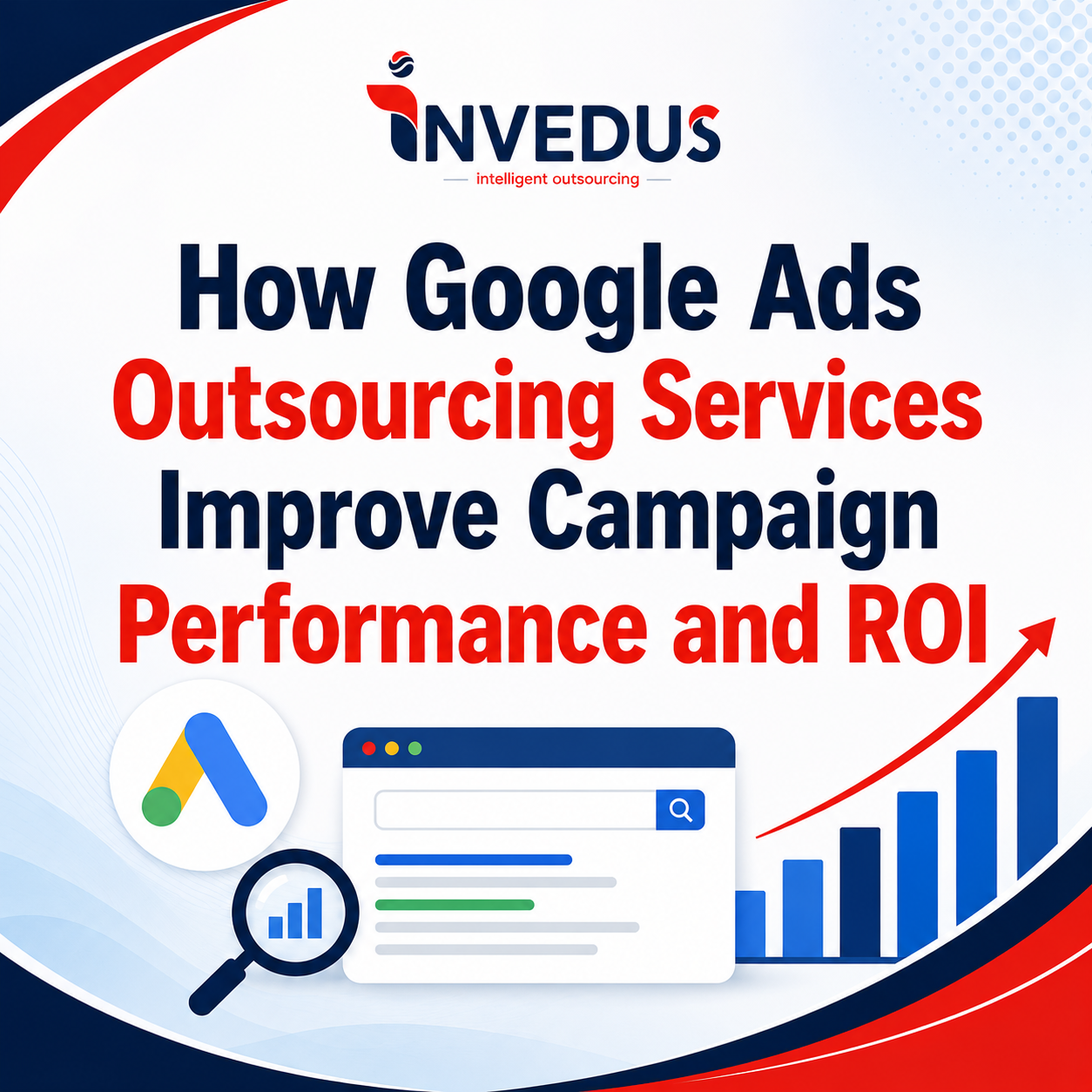
Paid advertising can be a useful way for businesses to reach potential customers when they are actively searching for a product or service. But getting clicks is only one part of the job. A campaign also needs the right keywords, relevant ads, sensible targeting, accurate tracking, and regular optimisation. This is where offshore PPC services can provide practical support without requiring a business to build a large in-house PPC team.
Why PPC Management Needs Ongoing Attention
A PPC campaign is not something that can be set up once and left alone. Search behaviour changes, competitors adjust their bids, advertising costs move, and customer preferences can shift. Even a campaign that performed well last month may need changes later.
For example, a keyword may generate many clicks but very few enquiries. Another keyword may receive less traffic but produce customers who are more likely to buy. Looking at these differences helps a PPC manager decide where the advertising budget should go.
Regular management can involve reviewing search terms, adjusting bids, testing advertisements, checking audience settings, and looking at conversion data. These small decisions can have a meaningful effect on how a campaign performs over time.
What Does an Offshore PPC Team Actually Do?
The exact work depends on the business and the agreement with the service provider. A good PPC team should first understand the company's goals rather than immediately changing campaign settings.
If the main goal is lead generation, the focus may be on attracting people who are genuinely interested in the service. For an online store, the campaign may instead focus on product sales and revenue.
Typical areas of PPC support include:
Keyword research and search-term analysis
Google Ads campaign management
Microsoft Advertising management
Social media advertising
Audience targeting
Remarketing campaigns
Advertisement testing
Bid and budget management
Conversion tracking
Campaign reporting
The important thing is that these activities should work together. Finding good keywords does not help much if the advertisement does not match the search. Similarly, a strong advertisement may still produce poor results if the landing page is confusing or irrelevant.
Choosing Better Keywords
Keywords are at the centre of many search advertising campaigns. However, choosing keywords simply because they have high search volume is not always a good strategy.
A PPC specialist needs to consider search intent.
Someone searching for general information may not be ready to make a purchase. On the other hand, a person searching for a specific service or asking about pricing may be much closer to taking action.
Negative keywords are also useful. They can prevent ads from appearing for searches that are not relevant to the business. This can reduce unnecessary clicks and help make better use of the available advertising budget.
Creating Ads That Match Customer Intent
People see many advertisements while searching online, so the message needs to be clear.
A useful PPC advertisement should tell the searcher what is being offered and give them a reason to take the next step. Depending on the campaign, that could mean highlighting a service, explaining a benefit, offering a consultation, or directing the visitor towards a particular product.
Testing different messages is also important. One headline or call to action may perform better than another. Instead of assuming which version will work, PPC managers can use campaign data to compare different approaches.
The goal is not simply to get the highest number of clicks. The better question is whether those clicks are coming from people who are likely to become customers.
Don't Forget the Landing Page
The advertisement is only the beginning of the customer journey.
Imagine someone clicks an ad for a specific PPC management service and arrives on a generic homepage with no clear information about PPC. That visitor may leave even though the advertisement itself performed well.
A relevant landing page should continue the message started by the advertisement. It should explain the offer clearly, provide useful information, and make the next action easy to understand.
Depending on the business, that action could be submitting a form, making a phone call, requesting a quote, booking an appointment, or completing a purchase.
Managing the Advertising Budget
PPC gives businesses control over how much they spend, but having a budget does not automatically mean that the money is being used efficiently.
Campaign performance should be reviewed regularly to understand where spending is producing useful results. Budget allocation may need to change between campaigns, locations, devices, audiences, or keywords.
For example, if one campaign consistently produces qualified leads while another generates traffic without meaningful conversions, it may make sense to investigate why the difference exists before continuing to spend at the same level.
This does not mean that every low-performing campaign should immediately be stopped. Some campaigns need more testing or may support the customer journey indirectly. The important part is making decisions based on evidence rather than assumptions.
Why Businesses Consider Offshore PPC Support
Managing paid advertising internally can take considerable time. Someone needs to research keywords, monitor campaigns, review search terms, test ads, check conversions, prepare reports, and keep up with platform changes.
For a small marketing team, this can become difficult when there are other responsibilities to manage.
An offshore PPC team can take responsibility for agreed campaign activities while the business continues to set its objectives and approve important decisions. This arrangement can be useful for companies that want specialist support without adding another full-time role to their internal team.
Cost can also be a consideration. Hiring and maintaining an in-house PPC team may involve salaries, recruitment, training, software, and other operating expenses. Outsourcing provides an alternative model that some businesses may find more practical.
However, price should not be the only factor when choosing a PPC partner. Experience, communication, reporting, account transparency, and the quality of campaign management matter just as much.
How to Choose the Right Offshore PPC Partner
Before working with a PPC provider, businesses should take some time to understand what they actually need.
A company with a small Google Ads account may need a different level of support from an ecommerce business running multiple campaigns across several markets.
Start by asking potential providers about their experience with similar campaigns. Find out which advertising platforms they manage and what their normal optimisation process looks like.
It is also worth discussing reporting before the work begins. A business should know which metrics will be reported, how often reports will be provided, and who will be responsible for explaining the results.
Account ownership and access should be clear as well. Businesses should maintain appropriate access to their advertising accounts and understand how budgets, campaigns, and tracking are being managed.
Communication is another practical consideration. Offshore teams may work in different time zones, but that does not have to become a problem when meeting times, response expectations, approvals, and communication channels are agreed upon from the beginning.
How to Measure PPC ROI
A campaign can generate thousands of clicks and still fail to produce meaningful business results. That is why PPC performance should be measured against the actual purpose of the campaign.
For a lead-generation business, useful metrics may include:
Qualified leads
Conversion rate
Cost per lead
Cost per acquisition
Lead-to-customer rate
An ecommerce business may focus more on:
Revenue
Conversion value
Cost per acquisition
Return on ad spend
The right metrics depend on what the business is trying to achieve.
Conversion Tracking Matters
Accurate conversion tracking gives businesses a clearer view of what happens after someone clicks an advertisement.
A conversion could be a purchase, enquiry form, phone call, booking, registration, or another action that has value to the business.
If these actions are not tracked correctly, campaign data can be misleading. A PPC manager may believe a campaign is underperforming when conversions are actually happening but not being recorded.
Tracking should therefore be checked regularly, especially when websites, landing pages, forms, or analytics systems are changed.
Look at Trends Instead of One-Day Results
PPC results naturally fluctuate.
Search demand can change during the week. Competition can increase. Seasonal events can affect customer behaviour. A promotion can suddenly increase conversions. Advertising costs can also change.
Because of this, judging a campaign based on one day or a small amount of data can lead to poor decisions.
Looking at performance over a longer period gives businesses a better understanding of what is actually happening. Regular reviews can then be used to identify opportunities for testing and improvement.
Is Offshore PPC Right for Every Business?
There is no single PPC management model that works for every company.
Some businesses prefer to keep advertising completely in-house because they already have an experienced PPC team. Others may only need occasional specialist assistance. A growing company with limited internal resources may benefit more from ongoing outsourced support.
The right choice depends on factors such as campaign complexity, available resources, advertising budget, internal expertise, and business objectives.
The main question should not simply be, "Should we outsource PPC?" It should be, "What type of PPC support will help us manage our campaigns more effectively?"
Frequently Asked Questions
What Are Offshore PPC Services?
Offshore PPC services are paid advertising management services provided by specialists located in another country. Depending on the agreement, the team may handle keyword research, campaign management, advertisement testing, remarketing, tracking, optimisation, and reporting.
How Much Do Offshore PPC Services Cost?
There is no standard price because costs depend on factors such as campaign size, advertising platforms, account complexity, management requirements, and the provider's pricing model. Businesses should compare what is included rather than choosing a provider based only on price.
Can Small Businesses Use Offshore PPC Services?
Yes. Small businesses can use outsourced PPC support when they need specialist knowledge but do not want to build a large internal advertising team. The level of service should match the company's budget, campaign size, and objectives.
What Is the Difference Between Offshore and In-House PPC Management?
In-house PPC management is handled by employees within the business. Offshore PPC management is handled by an external team based in another country. The two approaches can differ in staffing, costs, management responsibilities, communication, and access to specialist expertise.
How Do I Know If a PPC Campaign Is Successful?
Look beyond clicks and impressions. Measure conversions and business outcomes such as qualified leads, sales, revenue, cost per acquisition, conversion rate, and return on ad spend. The most useful metrics depend on the purpose of the campaign.

Final Thoughts
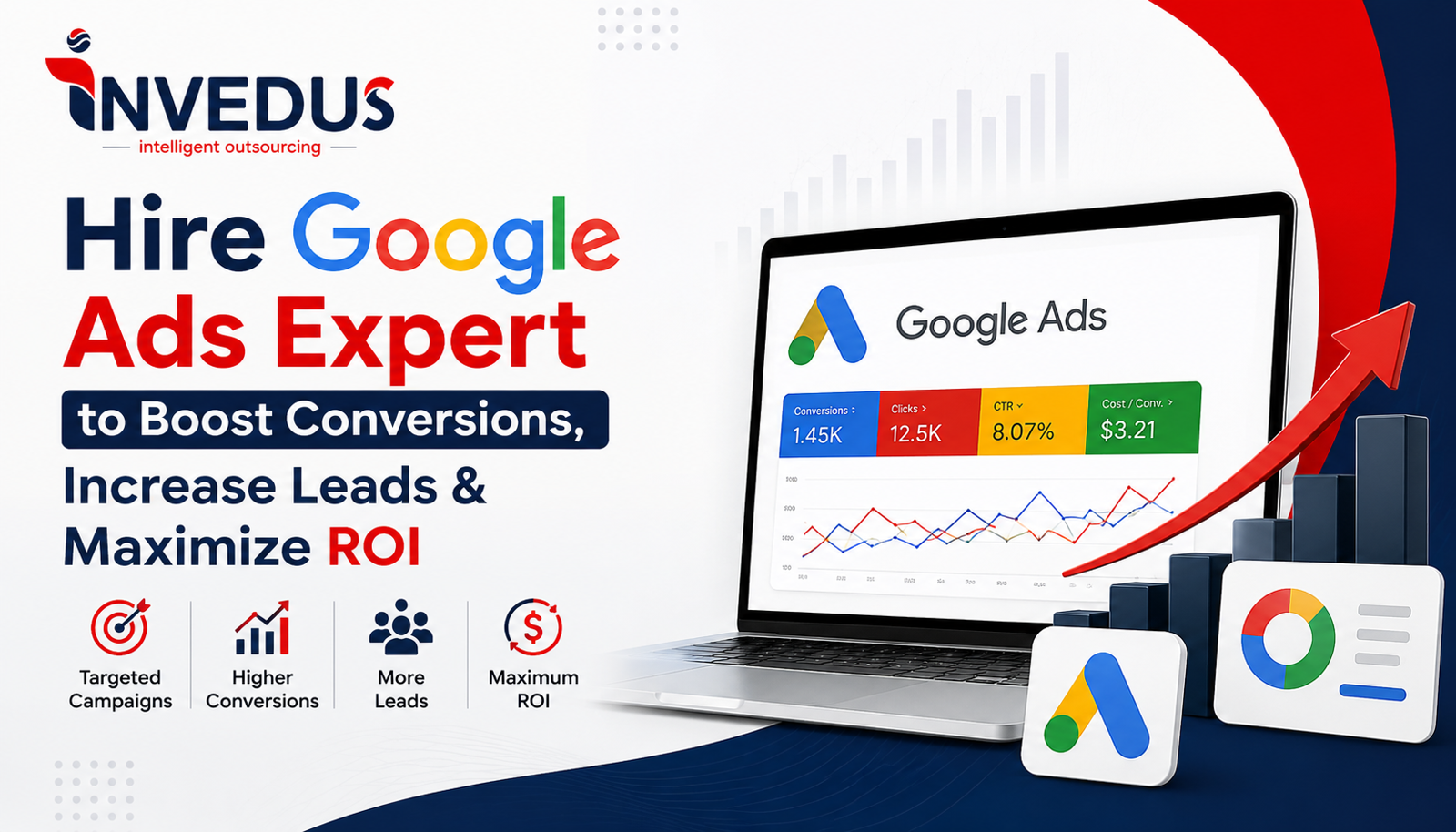
Hire Offshore PPC Services to Boost Leads and Maximize ROI can be a practical option for businesses that need ongoing paid advertising support but do not want to manage every campaign activity internally. The real value comes from having a clear strategy, relevant targeting, useful advertisements, accurate conversion tracking, controlled spending, and regular optimisation.
Before choosing a provider, look at its experience, communication process, reporting approach, account transparency, and understanding of your business goals. It is also useful to understand wider industry trends and benchmarks when setting realistic expectations for paid advertising. Reviewing PPC Marketing Statistics can provide additional context when evaluating campaign performance.
A well-managed PPC campaign is not simply about getting more visitors. It is about attracting the right people and giving them a clear path towards becoming customers.




Write a comment ...